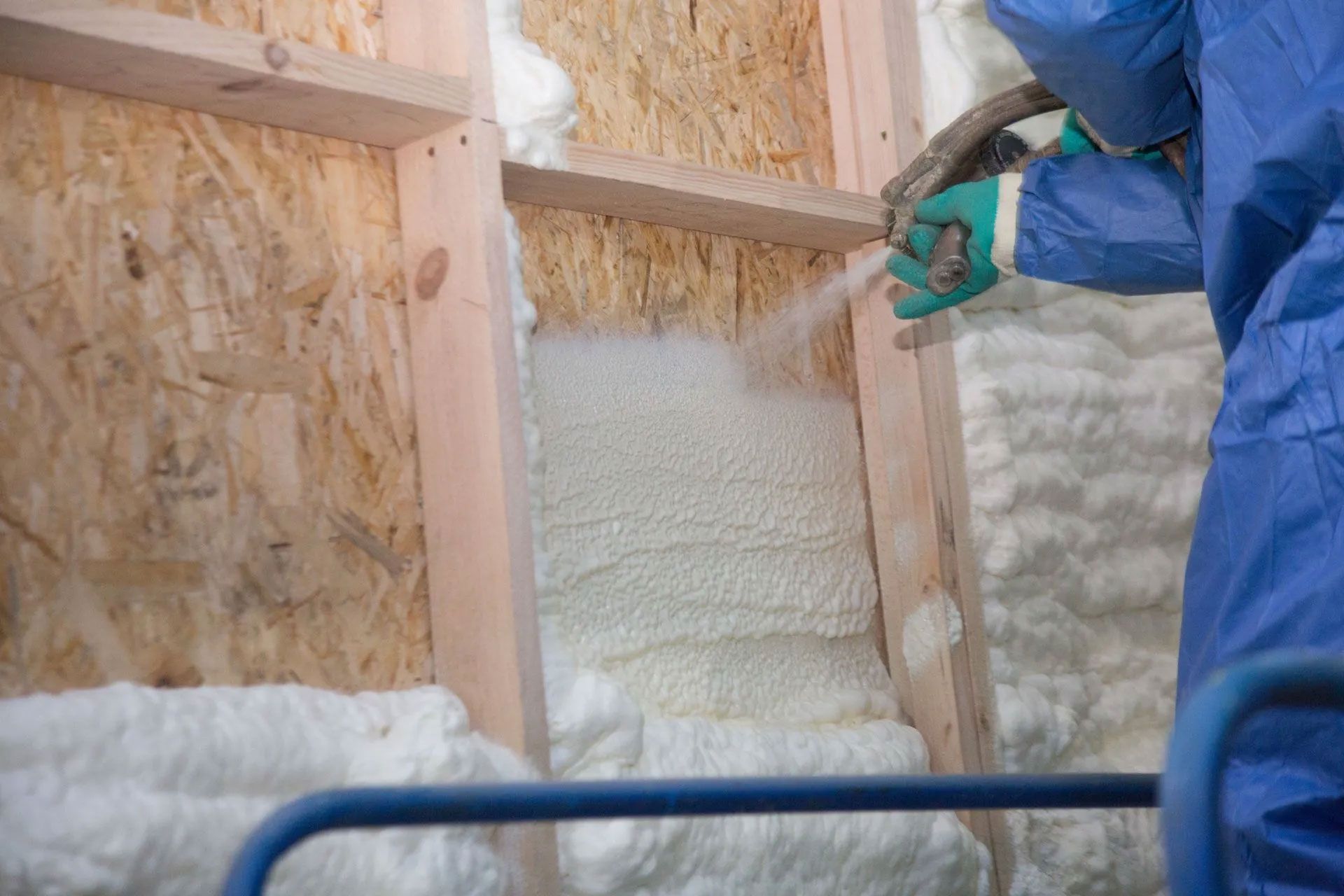
Commercial vs. Industrial Insulation Applications
Insulation plays a vital role in improving energy efficiency, protecting equipment, and maintaining comfortable indoor environments. While both commercial and industrial facilities rely on insulation to reduce energy loss and enhance performance, their insulation needs often differ significantly. Understanding the differences between commercial and industrial insulation applications can help property owners, facility managers, and contractors choose the right materials and installation methods for their specific projects.
Understanding Commercial Insulation
Commercial insulation is commonly installed in buildings such as offices, schools, retail stores, healthcare facilities, hotels, and apartment complexes. The primary goals are to improve energy efficiency, regulate indoor temperatures, reduce noise transmission, and create a comfortable environment for occupants.
Commercial insulation may be installed in:
- Exterior and interior walls
- Roofs and ceilings
- Floors
- Mechanical rooms
- HVAC ductwork
- Plumbing systems
Because commercial buildings often serve employees, customers, and visitors, insulation also contributes to occupant comfort while helping businesses reduce monthly heating and cooling costs.
What Makes Industrial Insulation Different?
Industrial insulation is designed for facilities that contain manufacturing equipment, processing systems, power generation equipment, or large mechanical operations. These environments often involve extremely high or low operating temperatures that require specialized insulation products capable of withstanding demanding conditions.
Industrial insulation is commonly used on:
- Boilers
- Steam piping
- Process piping
- Storage tanks
- Heat exchangers
- Industrial ovens
- Pressure vessels
- Manufacturing equipment
In addition to improving energy efficiency, industrial insulation helps protect employees from hot surfaces, maintain precise process temperatures, and reduce heat loss throughout production systems.
Key Differences Between Commercial & Industrial Projects
Although both types of insulation serve similar purposes, several important differences exist.
Commercial insulation typically focuses on:
- Occupant comfort
- Building energy efficiency
- Sound control
- Moisture management
- HVAC system performance
Industrial insulation often emphasizes:
- Process temperature control
- Equipment protection
- Worker safety
- High-temperature resistance
- Corrosion prevention
- Production efficiency
Industrial facilities generally require more specialized materials and installation techniques due to harsher operating environments.
Choosing the Right Insulation Materials
The type of insulation selected depends on the building, operating conditions, and performance goals. Common insulation materials include:
- Fiberglass insulation
- Mineral wool
- Spray foam insulation
- Rigid foam board
- Cellular glass
- Elastomeric foam
- Calcium silicate
- Ceramic fiber insulation
Each material offers unique advantages for specific temperature ranges, moisture conditions, and performance requirements. An experienced insulation contractor can recommend the most appropriate solution for each application.
Contact Our Certified Insulation Installers to Get Started
Whether you're constructing a new commercial building, expanding an industrial facility, or upgrading an existing property, choosing the appropriate insulation system is an important investment. Thankfully, the certified team at Evans Services Group LLC is standing by to provide support! Our experienced insulation installers provide both commercial and industrial insulation across the Orlando, FL region at highly competitive rates. All you have to do is give us a call to get started!